

Skip to main content
Dropped Object

Incident Summary

A service rig was doing a workover, running rods. The rod transfer was not disconnected from the rods, and the rod transfer cable was stretched and frayed. The Driller and Derrickhand stopped to repair a frayed rod transfer cable. 

They assumed the repair job would take less than 15 minutes. However, the job scope changed from a repair job to a full replacement of the rod transfer cable. The service rig was shut down for more than two hours with the blocks positioned above the rod basket, approximately 75 feet from ground level.

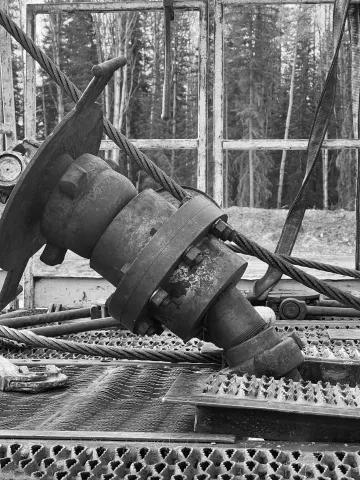
When work was stopped to begin the repair/replacement task, the Driller chained the brake handle but did not engage the disc brake. During the cable replacement, the brakes cooled and released, causing the blocks to fall uncontrolled to the ground.

This event had the potential for a serious personal injury, as workers were planning their return to the direct work area only moments before the blocks fell. 

The incident damaged the wellhead and compromised secondary well control.

Root Cause Analysis Findings – Summarized

Inadequate Safe Work Practices and/or Procedures
  • No procedure for lowering the blocks and securing the well before performing
    overhead work.
  • No procedure for repairing/replacing the rod transfer cable.
  • Procedure(s) did not clarify when to apply the disc brake.
Inadequate Engineering Controls – Mechanical Advantage

The full mechanical advantage of the braking system was not available. The combination of the brakes being slightly out of manufacturer specifications, the disc braking system not being used, the weight of the blocks and rod string on the drill line, and the cooling of the brakes over a two-hour period caused the blocks to
fall.

Inadequate Hazard Assessment – Failure to Re-assess the Job Scope

When the job scope changed (from running rods to repairing the rod transfer), the job was not reassessed, and a hazard assessment was not completed. The Service Rig provider failed to complete the hazard assessment and the Onsite Supervisor (OSS) failed to ensure this was in place before work started.


Learning Before Serious Harm

Our 2019–2024 PSI Report analyzes industry-submitted incidents to highlight patterns and risks with the highest potential for serious outcomes—supporting learning before harm occurs.

Learn from Past Events

Explore Safety Alerts to see how incidents occurred and what can be done differently. Applying lessons from past events helps workers and leaders recognize hazards before they lead to serious harm.

Related Learning Opportunities

Share: