

Skip to main content
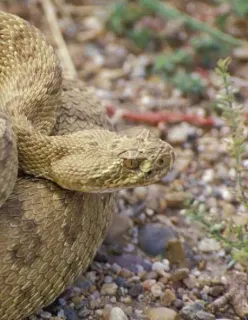
Prairie Rattlesnake (Royal Alberta Museum)

What Happened?

Worker was bitten by a rattlesnake.

  • A worker dismounted an all-terrain vehicle (ATV) to remove a rope that was put across a Texas gate.
  • The ATV was left running and the worker’s helmet was not removed.
  • The worker thought they heard something unfamiliar.
  • The worker did not see or hear the rattlesnake and was struck in the lower leg.
Why This Matters

Immediate Risk

  • Rattlesnake bites can be life-threatening
  • Access to medical aid can be delayed due to remote work locations
  • Rattlesnakes may remain silent and rely on camouflage, making them difficult to detect.
  • Rattlesnakes may not rattle before striking.

Potential Consequences

  • Serious injury or fatality

What Prevents This

  • Maintaining situational awareness
  • Personal protective equipment
  • Worker training
Lessons Learned
  • Wear appropriate snake-bite PPE (e.g., gaiters, chaps, or other puncture-resistant protection) where rattlesnake encounters are possible.
  • Shut off the ATV and remove your helmet before dismounting in rattlesnake habitat to improve awareness of warning signs.
  • Visually inspect work areas and maintain awareness when dismounting equipment or working around vegetation, rocks, gates, and other potential snake habitat.
  • Identify the nearest medical facility with antivenom when planning work in rattlesnake habitat.
  • Ensure procedures address biological hazards (e.g., rattlesnakes, venomous spiders).
  • Verify worker training covers hazard identification, controls, and precautions for rattlesnake habitat.

Learning Before Serious Harm

Our 2019–2024 PSI Report analyzes industry-submitted incidents to highlight patterns and risks with the highest potential for serious outcomes—supporting learning before harm occurs.

Learn from Past Events

Explore Safety Alerts to see how incidents occurred and what can be done differently. Applying lessons from past events helps workers and leaders recognize hazards before they lead to serious harm.

Related Learning Opportunities

Share: