

Skip to main content
ESDV Failure Due to Toggle Orientation

Incident Description:

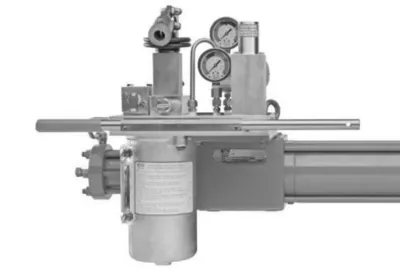
  • An ESD (Emergency Shutdown) valve’s hydraulic pump toggle orientation may have contributed to the amount of product released during the following incident. The incident itself was caused from other factors, however.
  • The company discovered a hydrocarbon condensate leak.
  • Data shows that the pipeline pressure dropped below the high/low pressure pilot settings, and two ESD valves upstream of the leak should have closed but did not. This would not have prevented the leak but could have allowed a quicker response from operations and resulted in less product on the ground. Subsequent investigation proved that if latch toggles are not left in the correct position, there is a chance their action could be delayed or prevented.
Contributing Factors / Event Learnings:
  • There was not enough importance placed on the toggle orientation because historically it had not been a problem.
  • There are many different manufacturers and models of pumps and toggles. Most are similar; however, their age, past maintenance and environmental factors can play a role in their effectiveness.
Required Actions:
  • Raise awareness of the potential “sticking” problem with hydraulic latch block toggles if left in the incorrect position.
  • Review all installations to ensure all hydraulic latch toggles are always left in the correct orientation.
  • This awareness may also apply to any toggle that is required to mechanically change position when tripped, including air or fuel gas (pneumatic) installations.

Learning Before Serious Harm

Our 2019–2024 PSI Report analyzes industry-submitted incidents to highlight patterns and risks with the highest potential for serious outcomes—supporting learning before harm occurs.

Learn from Past Events

Explore Safety Alerts to see how incidents occurred and what can be done differently. Applying lessons from past events helps workers and leaders recognize hazards before they lead to serious harm.

Related Learning Opportunities

Share: