
Skip to main content
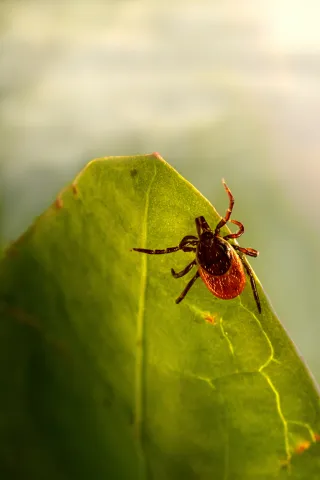
 Tick on a green leaf

Summary

Oil and gas workers should be aware of heightened tick activity across Western Canada in 2026. Many work activities are performed in remote, rural and vegetated environments including rights-of-way, well sites, pipelines, lease roads and reclamation areas where exposure to ticks is more likely.

Workers conducting inspections, maintenance, environmental monitoring, construction and vegetation management are particularly at risk when working in tall grass, brush and wooded areas.

Recent eTick surveillance data indicate a substantial increase in tick reports compared to 2025:

  • Alberta: +71.5%
  • Saskatchewan: +53.2%
  • Manitoba: +108.9%
  • Ontario: +50.2%

These increases suggest a higher likelihood that workers will encounter ticks in the field. As tick populations continue to expand and become more active, workers should take precautions to prevent tick bites and know how to recognize and respond to potential exposures.

Reduce your risk of tick exposure

  • Wear light-colored, long-sleeved shirts and pants
  • Tuck pants into socks or boots
  • Apply insect repellent containing DEET or Icaridin
  • Stay on cleared and maintained paths
  • Shower promptly after outdoor work or activities
  • Perform thorough full-body tick checks
  • Dry clothing on high heat for at least 10 minutes

Watch for symptoms

  • Bullseye rash
  • Fever or chills
  • Headache or fatigue
  • Nausea 
  • Muscle and joint pain
  • Swollen lymph nodes
  • Loss of appetite

When to seek medical attention

Consult a healthcare provider if:

  • You develop any symptoms listed above
  • A rash appears at the bite site
  • You are unsure how long the tick was attached

Stay alert! Early prevention and detection are key to reducing the risk of tick-borne illness.

Share: